5 min read
Artificial Intelligence
1. Introduction
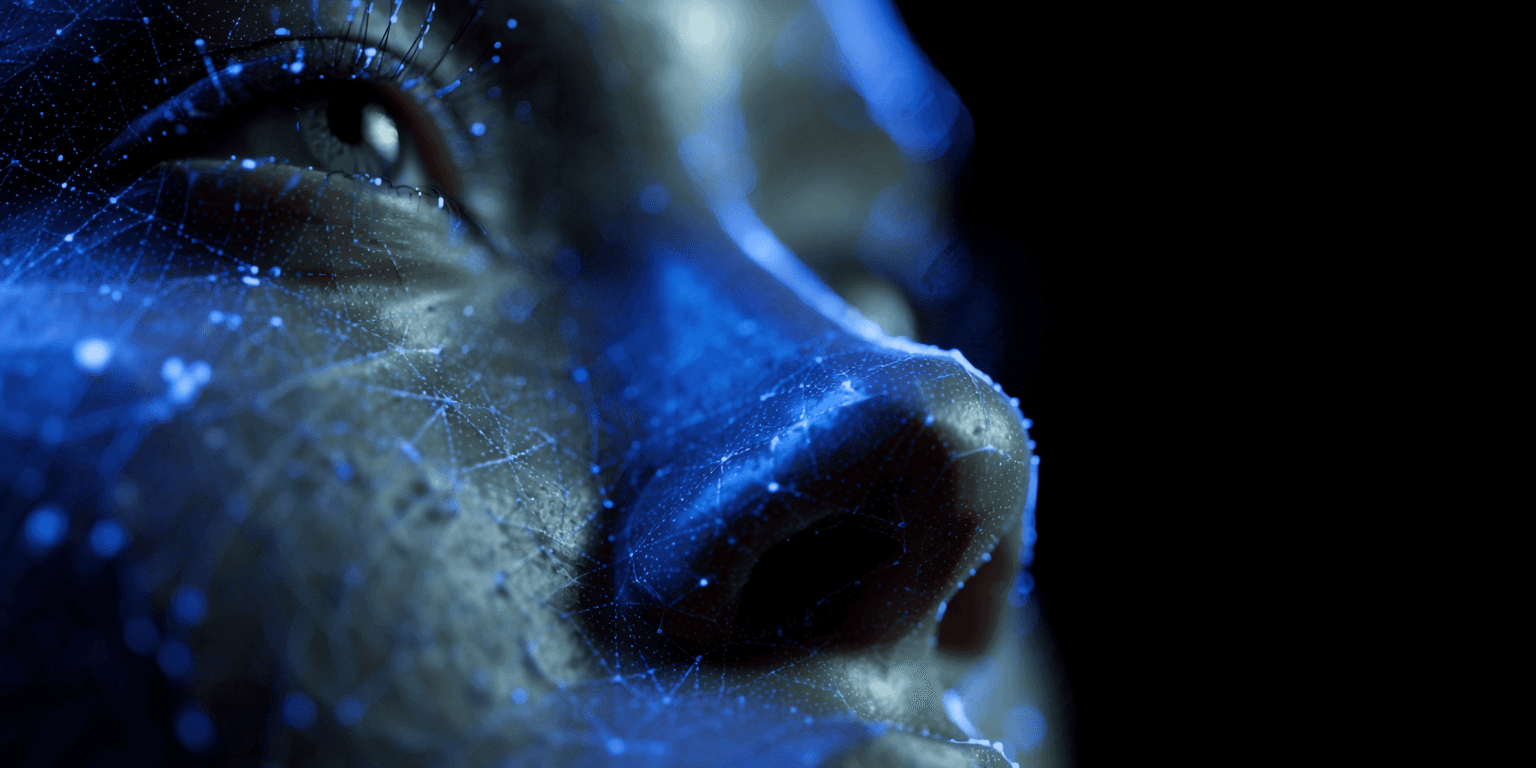
AI-generated human models are quickly becoming one of the biggest shifts in fashion and lifestyle content creation. As brands push for faster visuals, lower production costs, and consistent styling, virtual models offer a new way to produce campaigns at scale. The result is speed, flexibility, and creative freedom like never before.
2. What Is an AI Model?
An AI model is a digital human created through advanced generative technology. These virtual models look incredibly realistic, with lifelike skin texture, natural facial expressions, and accurate proportions. They’re not real people, just ultra-detailed digital representations, but they can pose, smile, walk, and showcase products just like traditional models.
Brands can fully customize them: ethnicity, age, hair, body type, styling, personality, everything adjusts to match a visual identity. Because the model is generated through AI, you can create endless variations without reshoots, extra fees, or complex logistics. For fashion and lifestyle companies, a realistic AI fashion model becomes a reusable asset that works anytime, anywhere.
3. How AI Models Are Created
AI virtual models are built using generative systems trained on large datasets of human features, clothing styles, lighting setups, and poses. The process begins with facial design, crafting symmetry, skin texture, eyes, hair, and micro-details that make the model feel alive. Then comes full-body construction, where proportions, muscles, posture, and anatomy are carefully shaped.
Next, styling layers are added: outfits, accessories, makeup, and hairstyles that match the intended aesthetic. Pose control allows the model to stand, sit, run, or interact with a product naturally. Finally, rendering tools simulate lighting, shadows, and depth to make the virtual model blend seamlessly into editorial scenes, CGI fashion campaigns, or e-commerce backgrounds.
The result is a virtual model that feels authentic and reliable, ready for shoots at any moment.
4. Types of AI Models for Fashion & Lifestyle Brands
4.1 Photorealistic Editorial Models
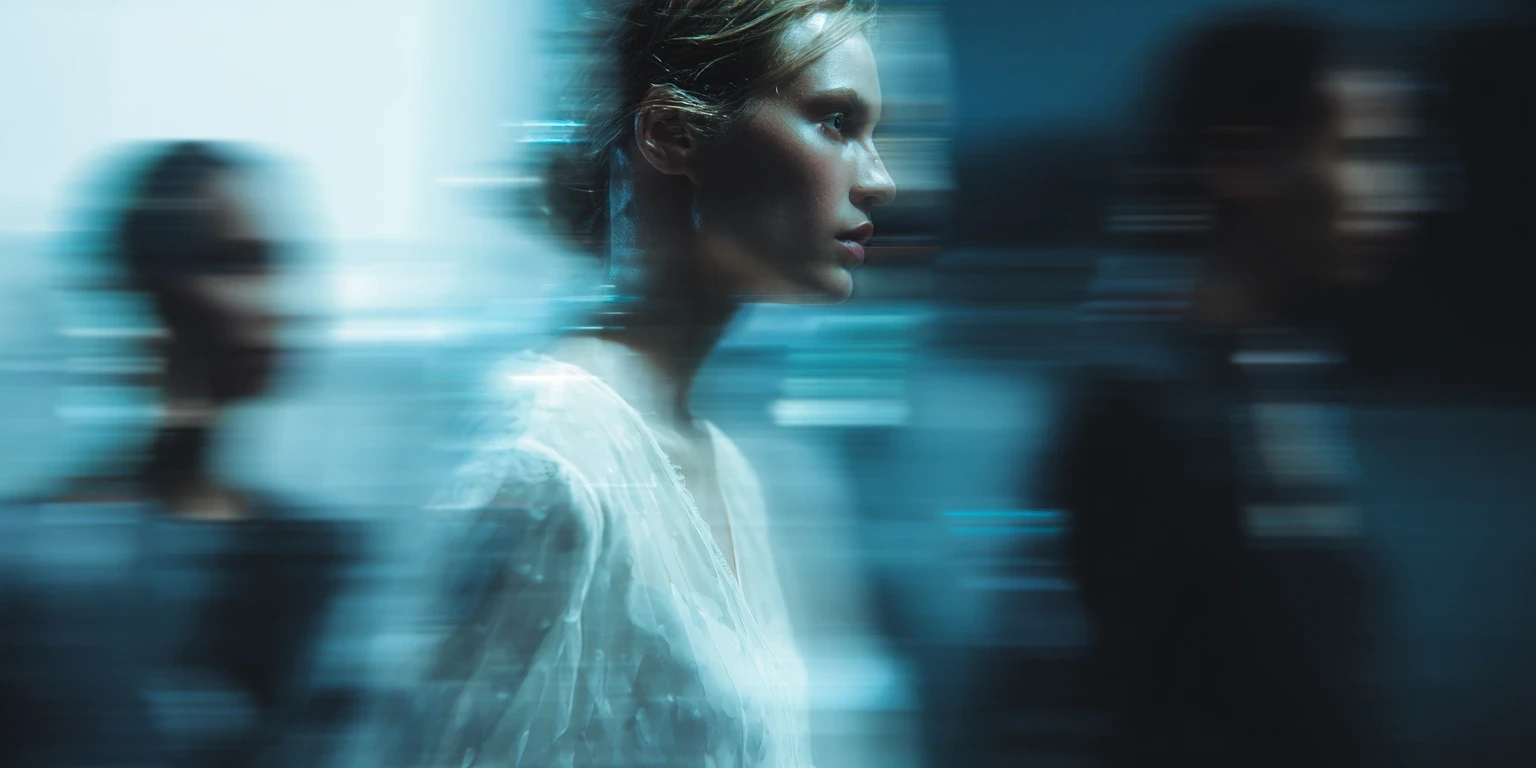
These models are designed for cinematic campaigns, magazine-style portraits, and premium storytelling. They work especially well in high-end Streetwear Visuals and luxury-themed productions.
4.2 Runway & Full-Body Models
Full-body AI-generated humans are ideal for showcasing complete outfits, silhouettes, fabric flow, and styling combinations, perfect for digital look books or runway-style shoots.
4.3 Fitness & Sportswear Models
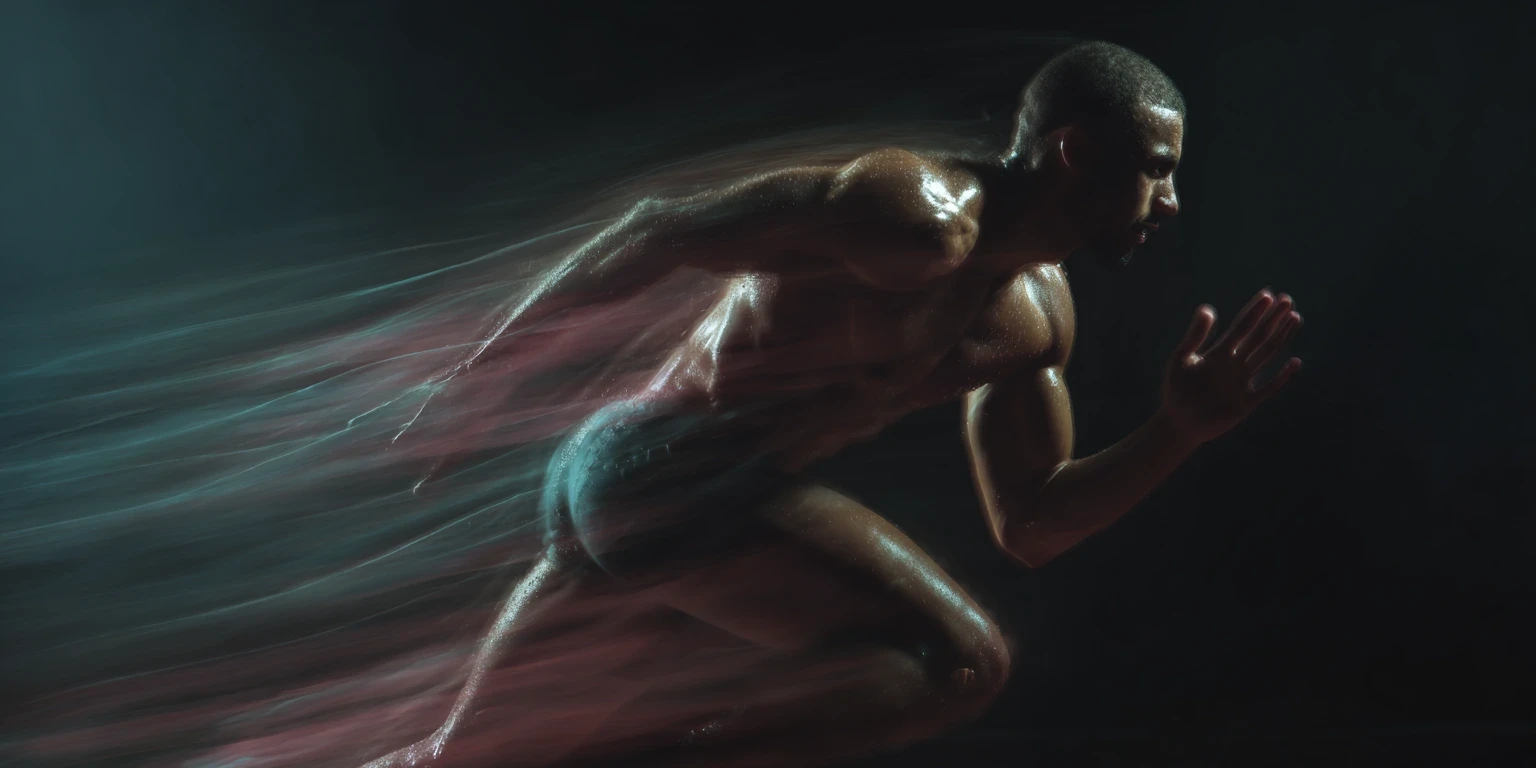
Strong, dynamic poses make these models great for activewear brands. They highlight movement, energy, and form with clean accuracy.
4.4 Beauty & Skincare Models
These are built with close-up realism in mind: pores, lighting, makeup reflections, and smooth textures ideal for beauty products.
4.5 Character-Based or Stylized Models
Some brands prefer models with a creative twist: slightly stylized, artistic, or CGI-driven for bold visual identities.
4.6 Diverse Inclusive Models
AI allows brands to represent different ages, body types, and skin tones without additional casting or logistical complexity. This makes diversity scalable.
5. Benefits of AI Models for Fashion Brands
5.1 Lower Costs
No expensive models anymore.
5.2 Unlimited Diversity & Representation
Brands can showcase every audience without casting limitations.
5.3 No Logistics Needed
No weather delays, no scheduling issues, just instant production.
6. Use Cases of AI Models in Creative Production
6.1 Look books & Editorial Shoots
Virtual models help brands produce clean, premium visuals for seasonal drops. For luxury-style storytelling, see byarnab Luxury Campaign.
6.2 E-commerce Product Visuals
Perfect for consistent lighting, correct posture, and reliable formatting.
6.3 Campaign Concepts & Storyboards
Before committing to a big shoot, brands use virtual models to visualize ideas.
6.4 Social Media Ads
AI avatars adapt to any platform: Reels, TikTok, stills, or motion.
6.5 Product Testing & A/B Variations
Brands can instantly test which type of models (male, female, old, young...) perform best.
6.6 Seasonal Collection Previews
Preview full collections before samples even arrive.
7. How to Choose the Right AI Model for Your Brand
7.1 Define Your Target Audience
Match the model to the lifestyle, age, and world of your customers.
7.2 Select Ethnicity, Age & Appearance
Ensure representation feels aligned with real customers.
7.3 Style Alignment
Look at your aesthetic: minimalist, luxury, casual, or heritage. See byarnab Old Money to understand how styling and mood shape identity.
7.4 Check Motion, Poses & Facial Realism
Small details: eyes, hands, posture... Signal quality.
7.5 Test Accuracy
Always compare AI visuals against real images.
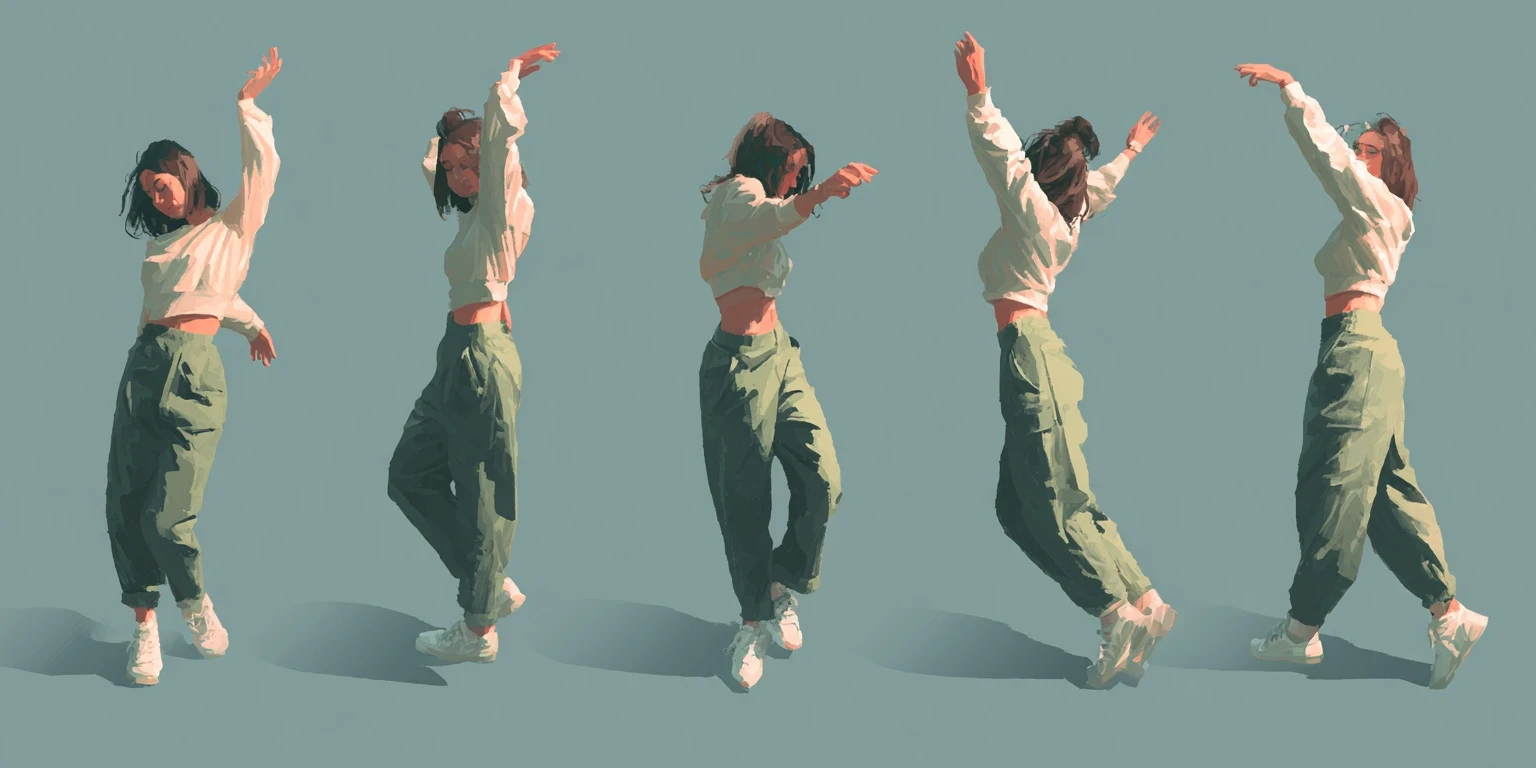
8. How to Integrate AI Models Into Your Workflow
8.1 Replace Early Shoots with AI
Use AI for moodboards, concept testing, and early previews.
8.2 Test Styling Combinations
Mix outfits, colors, and accessories without reshooting.
8.3 Blend Real Models + AI Models
Use real talent for hero moments and AI avatars for scalable content.
8.4 Build a Brand Model Library
Create a collection of reusable virtual models to keep identity consistent.
8.5 Set QA Guidelines
Check realism, lighting, color accuracy, and product fit. A full-stack workflow like byarnab Content Studio makes this process seamless.
9. Limitations & Ethical Considerations
9.1 Avoid Unrealistic Beauty Standards
Keep body types natural and relatable.
9.2 Promote Diversity Authentically
Use AI to expand representation, not narrow it.
9.3 Respect Likeness Rights
Never replicate real people without permission.

10. The Future of AI Models in Fashion
AI models are evolving fast. Soon, brands will have access to fully animated virtual humans for CGI fashion campaigns, real-time motion videos, and interactive try-on experiences. Personalized AI avatars will match exact brand aesthetics across seasons. As technology grows, more insights will appear on byarnab Blog, covering everything from AI production to dynamic virtual content. The future is flexible, scalable, and built for speed.
11. Frequently Asked Questions
11.1 How realistic can AI models look?
Extremely realistic, especially in controlled lighting.
11.2 Are AI models safe for luxury branding?
Yes, many premium brands now use AI in campaigns.
11.3 How much do AI visuals cost?
Far less than traditional photoshoots.
11.4 Can AI models match my brand’s aesthetic?
Exactly, every detail is customizable.
11.5 Are AI models replacing real human models?
AI models can replace real models when brands want that, and they can outperform them in many situations, but human models are still an option when needed.
11.6 Is it legal to use AI models globally?
Yes, as long as likeness rights and usage laws are respected.
Next blog